How to Choose a Hotel PMS: An Owner's Evaluation Guide

A practical scorecard for owners choosing a property management system, with a five-year cost example and the migration risks to plan for.
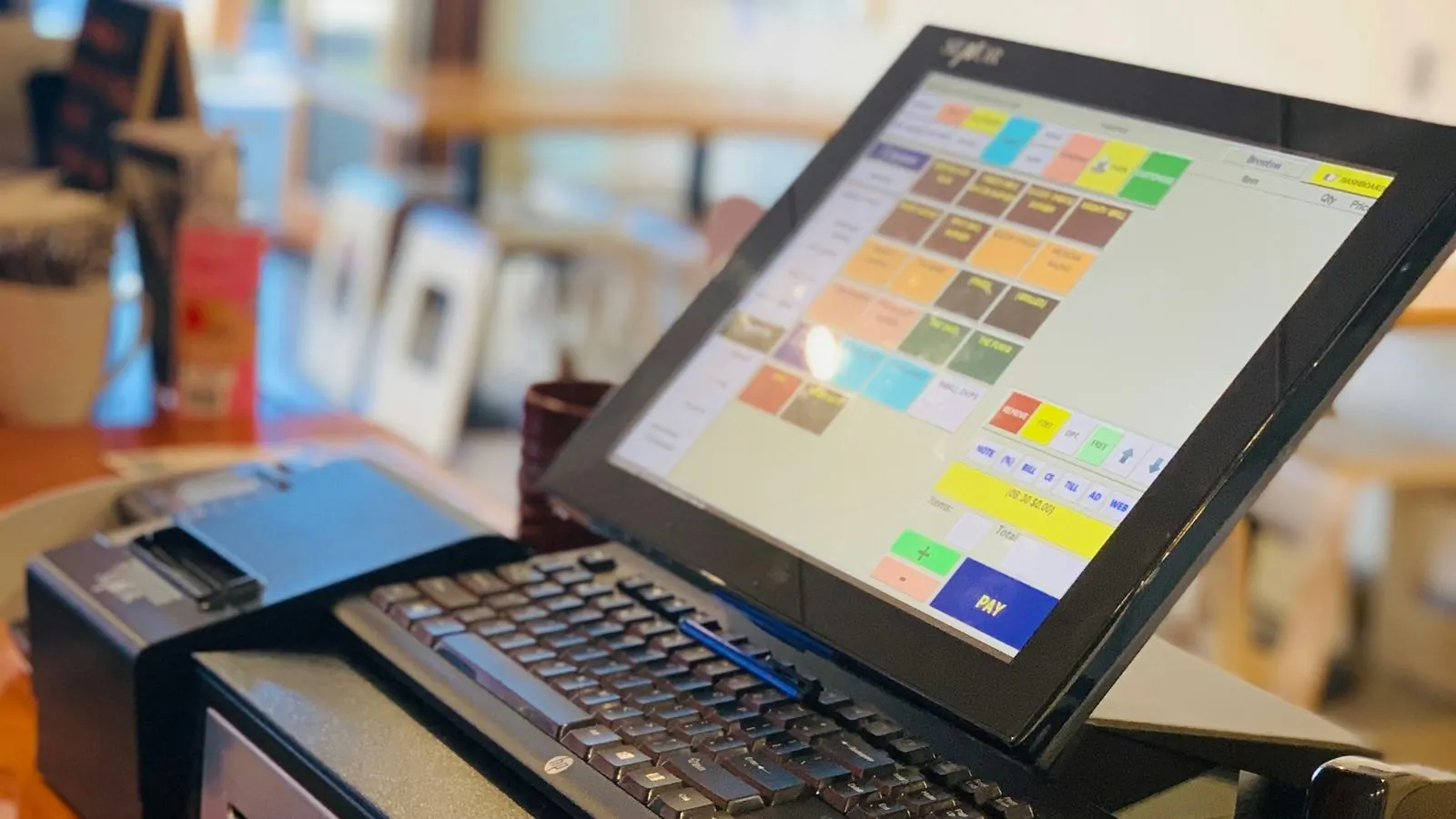
Quick answer: Choose a hotel property management system (PMS) on five things: how well it fits your operation, how cleanly it integrates with the rest of your stack, how good its reporting and data access are, what it truly costs over five years, and how risky the migration will be. Brand requirements may narrow the list before you start. The right PMS is the one that gives ownership reliable, accessible data, not the one with the longest feature list.
Why does the PMS choice matter so much to owners?
The PMS is the system of record for reservations, rates, folios and revenue, so almost every financial report starts there. If it is hard to get clean data out of the PMS, every downstream process, from the month-end close to OTA commission audits, becomes slower and less reliable.
A PMS decision also tends to last. Contracts often run several years, and switching is disruptive for front desk, reservations and accounting. Owners should treat it as a capital-style decision, not an IT purchase.
What should you check first before comparing PMS vendors?
Start with constraints. If your hotel is franchised, your brand may require a specific PMS or limit you to an approved list, so confirm with your brand before spending time on demos. If you work with a management company, ask what systems they support, since their staff, reporting templates and interfaces may depend on it.
Then write down your operation in plain terms: room count, segments (transient, group, crew, extended stay, direct bill), outlets, and how many properties you expect to run on the same system in three years.
What criteria should you use to evaluate a hotel PMS?
Use a short, weighted scorecard so the decision is not driven by whichever demo was most polished.
- Operational fit: check-in and check-out speed, group and block handling, direct bill and city ledger, housekeeping, and how it handles your specific segments.
- Integrations: the channel manager, booking engine, revenue management system, POS, payment gateway, door locks, accounting and any audit tools you use.
- Reporting: standard reports, custom reports, and whether reports tie to each other without manual adjustment.
- Data access: whether you can export or access raw reservation and folio data yourself, in a usable format, at any time.
- Payments: tokenization, support for OTA virtual cards, authorizations and incidental holds, and how card data is kept out of your environment.
- Security: multi-factor authentication, role-based permissions, user activity logs and how quickly departed staff can be removed.
- Multi-property support: consolidated reporting and shared profiles if you own or manage more than one hotel.
- Support and roadmap: hours, response times, and how updates are delivered.
Why is data access the criterion owners most often miss?
Because it rarely shows up in a demo. Owners should confirm, in the contract, that they own their data and can access it without paying a fee or asking permission each time.
Ask specifically:
- Can we export full reservation, folio and transaction history, including cancelled and no-show reservations?
- Is there an API or scheduled export, and does using it cost extra?
- Can we grant read-only access to an auditor, asset manager or outside service without giving them operational permissions?
- What happens to our data, and in what format do we receive it, if we leave?
These answers matter when you change management companies, sell the hotel, or need someone to audit OTA and payment activity.
How do you calculate the total cost of a PMS?
Add every recurring and one-time cost over at least five years, not just the monthly subscription. Interface fees, payment integrations and training often change the ranking.
For example (illustrative numbers only): a 150-room hotel is quoted $12 per room per month. That is $1,800 a month, or $21,600 a year, and $108,000 over five years. Add a one-time implementation fee of $15,000, four interfaces at $100 a month each ($400 a month, $4,800 a year, $24,000 over five years), and $5,000 of training. The five-year total is $108,000 + $15,000 + $24,000 + $5,000 = $152,000, which is about 41% more than the subscription alone.
Also ask about price escalators at renewal, fees for additional users or properties, and charges for data exports.
What are the biggest migration risks when switching PMS?
The biggest risks are losing or corrupting reservation and folio data, breaking interfaces during cutover, and a period where nobody fully trusts the reports. Most of these are manageable with planning.
- Future reservations: confirm every future booking, deposit and guarantee transfers correctly, including OTA virtual card details where permitted.
- Open balances: reconcile city ledger, advance deposits and guest ledger before cutover, and keep a record of the closing balances.
- Rate and room mapping: re-map rate plans and room types in the channel manager, and test before going live. Mapping errors can sell rooms at the wrong price.
- Historical data: keep read-only access to the old system, or a full export, for audits and disputes.
- Timing: avoid cutover during peak demand or month-end.
- Training: front desk errors in the first weeks often show up later as billing disputes.
Plan a parallel check for at least the first month: compare room revenue, taxes and payments between the new PMS and your accounting system daily.
How does the PMS affect revenue leakage?
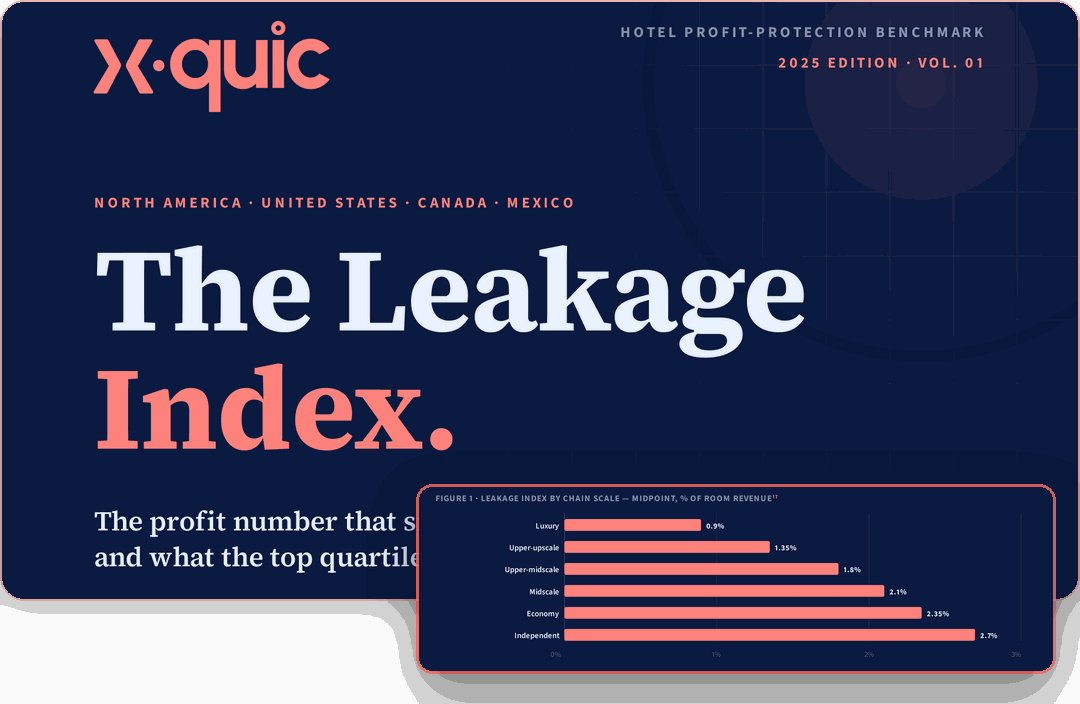
The PMS records what should have been collected, but it does not always tell you what actually was. OTA commissions billed on stays that were cancelled or shortened, virtual cards that expired uncharged, and no-show fees never posted can all look normal inside a PMS.
That is why read-only data access matters. x·quic works from read-only access to a hotel's data and audits each reservation 72 hours after check-out, whatever PMS you run. The night audit and PMS reports are a starting point, not a full audit.
Frequently asked questions
Should a small independent hotel choose a cloud PMS?
Many small hotels now choose cloud-based systems because they avoid on-site servers and simplify updates. Compare the same criteria either way, especially data access, integrations and five-year cost.
How long does a PMS migration take?
It varies with property size, interfaces and data volume. Ask each vendor for a written timeline with named milestones, and build in time for testing and parallel reconciliation.
Who should be involved in choosing the PMS?
Ownership or the asset manager, the general manager, front office, revenue management and accounting. Include whoever will run reconciliations, since they depend most on clean data.
Can we audit OTA and payment activity without changing PMS?
Yes. Audit tools typically read data from your existing systems. See our FAQ and pricing for how x·quic works with read-only access.
See your own leakage number.
Your free 1-year Profit Audit runs all six 360° audits on your own data and shows exactly what was lost and what is recoverable. No cost, no commitment, nothing to install.
Related guides



One email a month on where hotel profit leaks.
New guides, recovery data and what we are seeing across OTAs, crew lodging and payments. No spam; unsubscribe anytime.