How to Win Railroad Crew Lodging Business Near a Rail Terminal

Railroad crews need rest, fast check-in and reliability. Here is what crew managers look for and how the contracts and billing usually work.
Quick answer: Hotels win railroad crew lodging business by being close to the crew change point, open for check-in around the clock, and quiet enough for crews to get real rest between shifts. Contracts usually flow through a railroad or a third-party crew lodging program, rooms are direct billed, and the hotel that wins long term is the one that shows up reliably every night and bills cleanly every month.
What do railroads and crew lodging programs look for in a hotel?
They look for rest, reliability and proximity, in that order. A train crew arrives at an away-from-home terminal at any hour, needs a room immediately, and must be rested before the next call to work. Everything the crew manager evaluates traces back to that need.
Federal hours-of-service rules govern how long train crews can work and how much rest they receive, so a hotel that disrupts sleep or delays check-in creates a real operating problem for the railroad, not just a complaint. Crew managers remember which properties cause those problems.
The core checklist most programs and crew managers apply:
- Proximity: a short drive from the yard or crew change point, ideally minutes, not a highway trip.
- 24/7 check-in: a staffed front desk at 3 a.m. with rooms ready, not a night auditor who has to find a clean room.
- Quiet rooms: away from ice machines, elevators, pools and the event space, ideally on a dedicated floor or wing.
- Blackout curtains: crews sleep during the day as often as at night; light leaks are a common complaint.
- Food access: something to eat at odd hours, whether a 24-hour market, grab-and-go, or nearby restaurants that stay open late.
- Transportation: some agreements require the hotel or a vendor to shuttle crews to and from the yard. Know whether you are expected to provide it before you bid.
- Reliability: no walked crews, ever, and no surprises on the invoice.
How do hotels get on a railroad crew lodging program?
Most hotels get in by being the best available option near a terminal when a railroad or its lodging program is sourcing rooms. Many railroads route crew lodging through third-party lodging programs, such as CLC® (now Corpay Lodging), which contract with hotels, handle the rooming and pay the property.
Practical steps that improve your odds:
- Map the rail terminals and crew change points within a short drive of your hotel.
- Identify who sources lodging for that terminal: the railroad's crew management team, a lodging program, or both.
- Prepare a one-page profile covering distance to the yard, quiet-floor setup, blackout curtains, food options, parking for crew vans, and your night staffing.
- Offer a site visit, including a night walk-through, so the crew manager sees how check-in actually works at 2 a.m.
- Be honest about capacity. Promising 30 rooms a night and delivering 18 during a busy weekend is how hotels lose the account.
Note that x·quic is not affiliated with CLC®, Corpay, or any railroad. We audit the billing side after you win the business.
How do railroad crew lodging contracts and billing typically work?
Crew lodging is almost always direct billed: the crew member signs in, the hotel records the stay, and the program or railroad pays the hotel on a set cycle. Terms vary by agreement, so read yours closely rather than assuming.
Items to confirm in writing before the first crew arrives:
- Rate basis: nightly rate, whether it is a flat per-room rate, and how day-use or short stays under a set number of hours are paid.
- Room guarantee: whether the program guarantees a number of rooms or pays only for occupied rooms.
- Stay definition: how a stay that crosses midnight, or two short stays in one day, is counted.
- Taxes: whether occupancy taxes apply to the stays and what documentation supports any exemption. Confirm with your accountant.
- Sign-in records: what the crew signs, what your desk records, and what the program uses to reconcile.
- Payment cycle and dispute window: how long you have to raise a short pay before it is considered closed.
For a deeper look at the paperwork side, see our guides on CLC lodging invoice reconciliation and common CLC lodging billing errors.
Is railroad crew business profitable for a hotel?
It can be, because it fills rooms on nights that would otherwise sit empty and it runs year round. The margin depends on the negotiated rate, housekeeping load, shuttle cost, and how much of what you are owed actually gets paid.
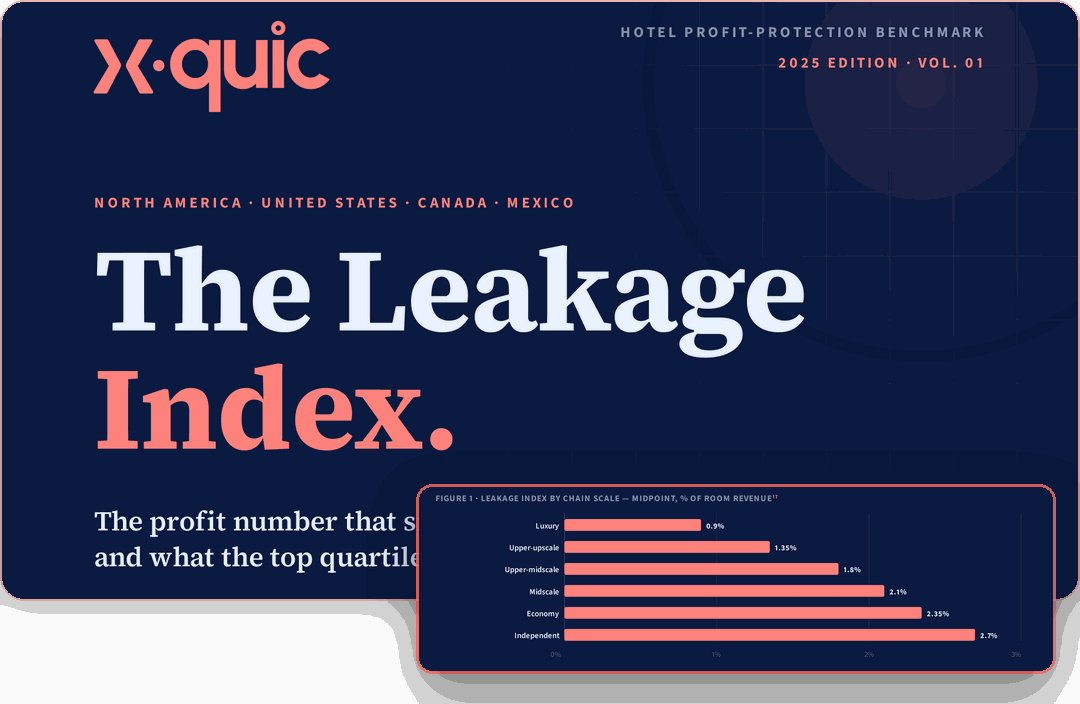
For example (illustrative numbers only): a hotel averages 20 crew rooms a night at $85. That is $1,700 a night, or $51,000 over a 30-night month. If 2% of those stays are billed short or never billed at all, the hotel loses $1,020 a month, or $12,240 a year, without anyone noticing.
That is why the rate is only half the equation. Our piece on crew lodging profitability covers the cost side in more detail.
What are the risks of taking on railroad crew lodging?
The main risks are displacement, operating strain and billing leakage. Each is manageable if you plan for it up front.
- Displacement: crew rooms at a contracted rate can displace higher-rated transient guests on compression nights. Model your peak dates before you commit to a guarantee.
- Operating strain: late-night arrivals, day-sleep housekeeping schedules and shuttle runs add labor. Price that in.
- Concentration: if one railroad becomes a large share of your occupancy, a schedule change or terminal consolidation can hit hard.
- Billing gaps: mismatched sign-ins, missed nights and short-paid invoices are common. Our crew lodging billing errors checklist lists the usual culprits.
How do you keep railroad crew business once you win it?
You keep it by never walking a crew, answering the phone at night, and fixing problems before the crew manager hears about them. Reliability is what crew managers renew.
- Assign a single owner on your team for the account, with a backup.
- Hold crew rooms on a quiet floor and keep them clean and ready ahead of expected arrivals.
- Train every night auditor on the sign-in process and what to do if the log and the system disagree.
- Check in with the crew manager monthly, not only when something breaks.
- Reconcile every billing cycle against your own records so disputes are raised inside the window.
See running a crew hotel day to day for front desk and night audit procedures.
How does railroad crew lodging connect to revenue leakage?
Crew lodging is one of the easiest places for a hotel to be underpaid, because volume is high, stays are short and the paperwork lives in two systems. A missed night here and a short pay there rarely trigger an alarm. x·quic's CLC® Secure 360° audits CLC® and crew or government lodging line by line against how the contract pays, so the business you worked to win is paid in full. You can start with a free 1-year Profit Audit on your own data.
Frequently asked questions
Do I need to be a specific brand to host railroad crews?
No specific brand is generally required. Crew managers care about location, quiet rooms, 24/7 check-in and reliability. Confirm any brand standards that affect contracted rates with your franchisor.
Who pays the hotel for railroad crew stays?
Usually the railroad or the third-party lodging program that manages its crew lodging pays the hotel directly on a set cycle. The crew member typically does not pay at check-in.
What happens if our sign-in log and the program's records do not match?
The program will usually pay what its records show. That is why you should reconcile every cycle and raise differences within the dispute window stated in your agreement.
Can x·quic help us win railroad crew contracts?
No. x·quic is not affiliated with any railroad or lodging program. We help after you win the business by auditing billing so you are paid correctly. See our FAQ for how the audit works.
See what your crew folios are leaking.
Your free 1-year Profit Audit checks every crew and CLC® room night against what the contract actually pays, on your own data. No cost, no commitment, nothing to install.
Related guides



One email a month on where hotel profit leaks.
New guides, recovery data and what we are seeing across OTAs, crew lodging and payments. No spam; unsubscribe anytime.